
🚗 Driving & Road Awareness
A world-leading, evidence-informed driving safety module built for real life and professional duty-of-care. Learn how crashes form (often through tiny margin losses), how your brain behaves under speed and stress, and how to build repeatable safety routines before, during, and after every journey.
How to use this module
This page is designed to be used like a training session:
- Incident learning: see how “small” errors become major outcomes.
- Research: understand why fatigue, speed and distraction are multiplier risks.
- Psychology model: learn your brain’s predictable failure modes under stress.
- Duty of care: understand obligations for driving at work and personal responsibility.
- Checks & tools: build your safety routine and test it with interactive exercises.
Aware360 Pro principle
The environment changes. Human behaviour patterns repeat.
Motorway and A-road collisions are rarely “one big mistake”.
They’re usually multiple small margin losses stacked together:
fatigue + speed + close following + a distraction + a sudden brake event.
Use this module to build margin on purpose: space, time, attention, and preparation.
📸 Real incident learning (A64 → Scarborough & M62)
These photos show multi-agency response to serious collisions: emergency vehicles, carriageway control, and air ambulance deployment. In training terms, this is what “risk stacking” looks like in real life: high speed + limited margins + human attention limits + unpredictable braking events.
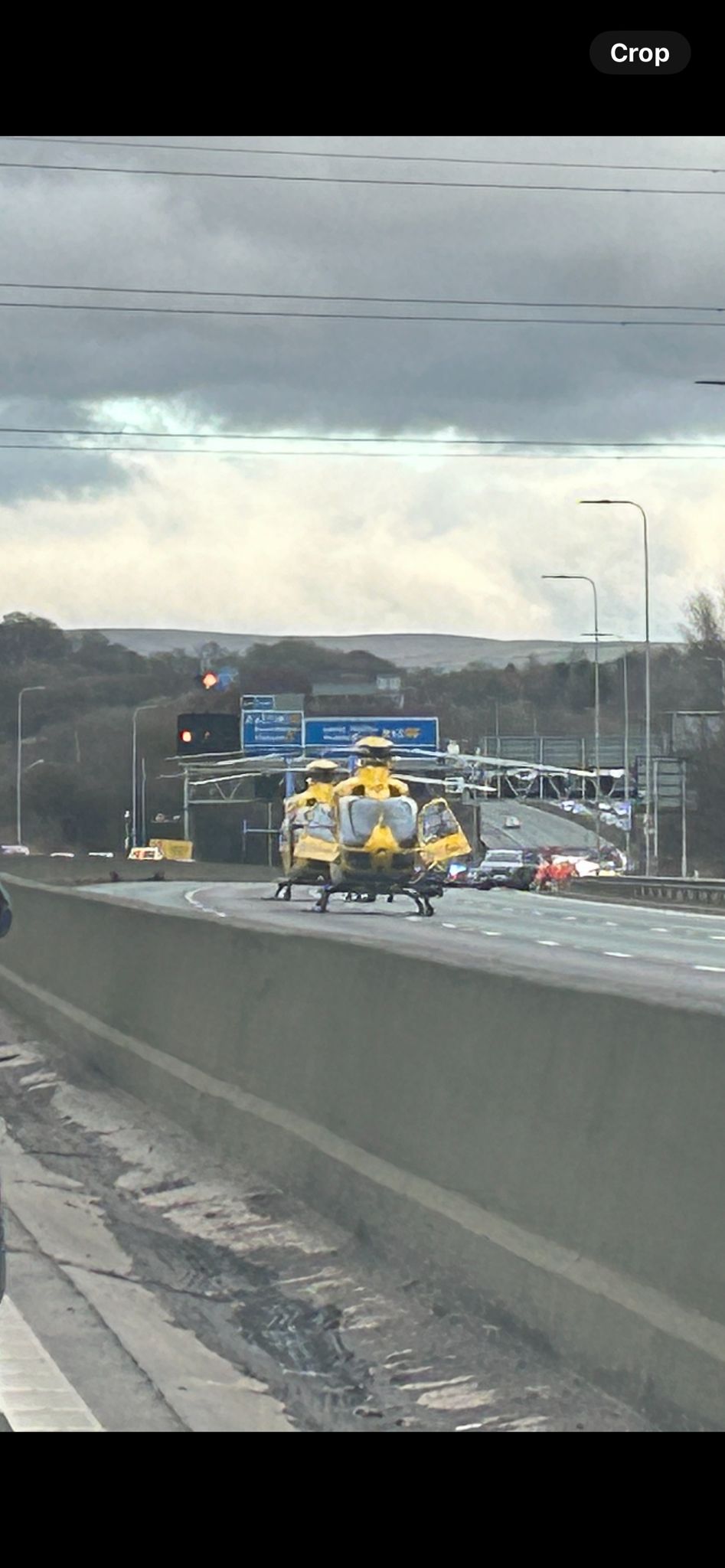
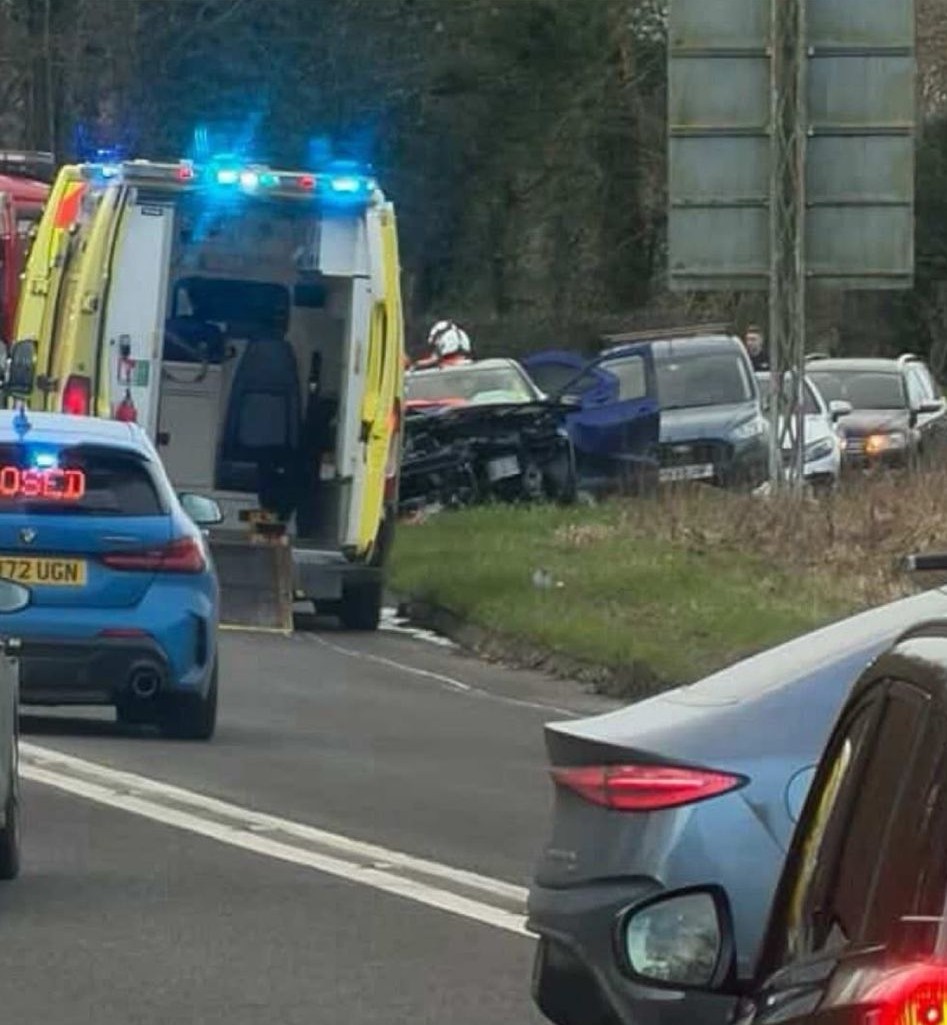
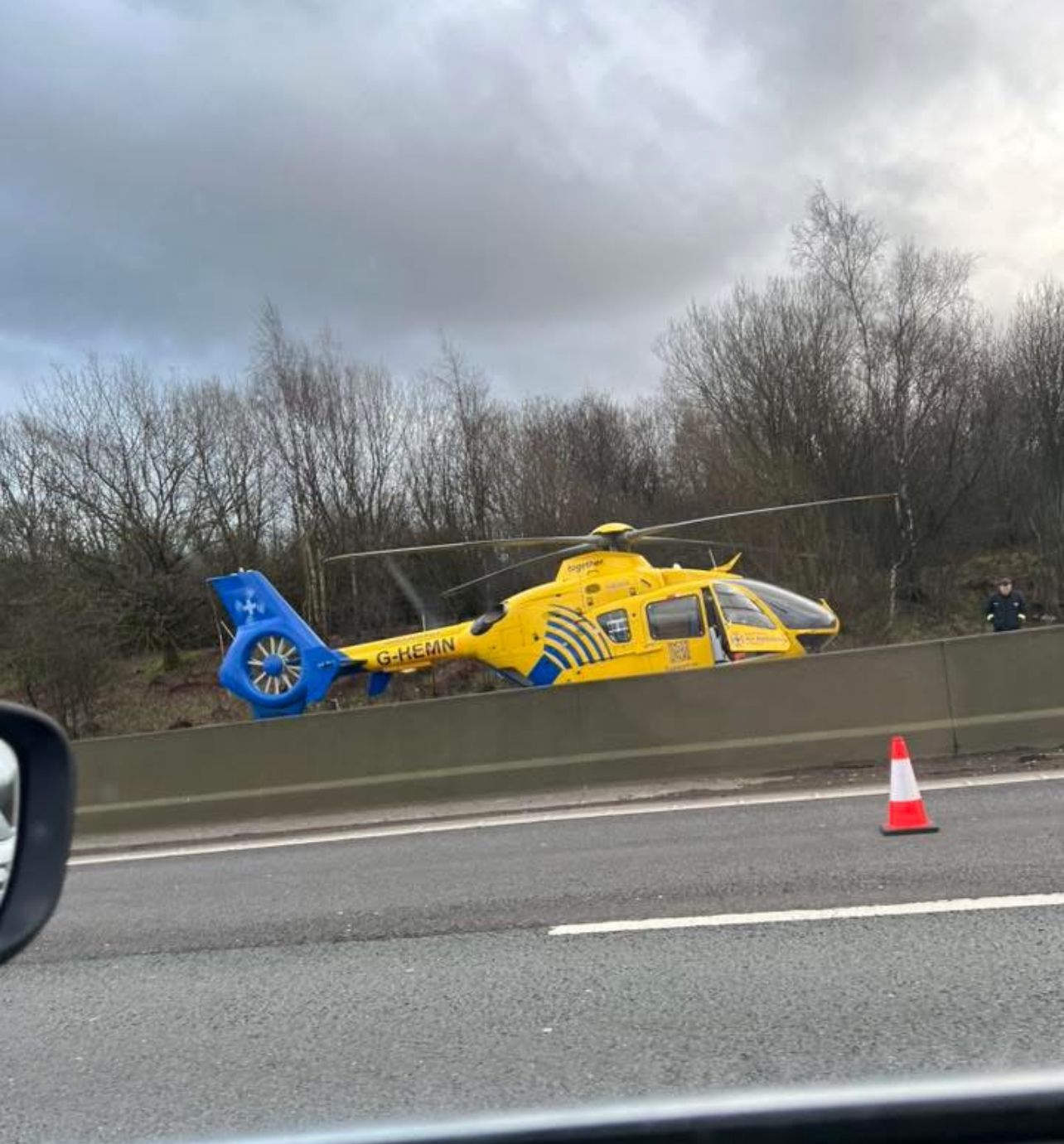
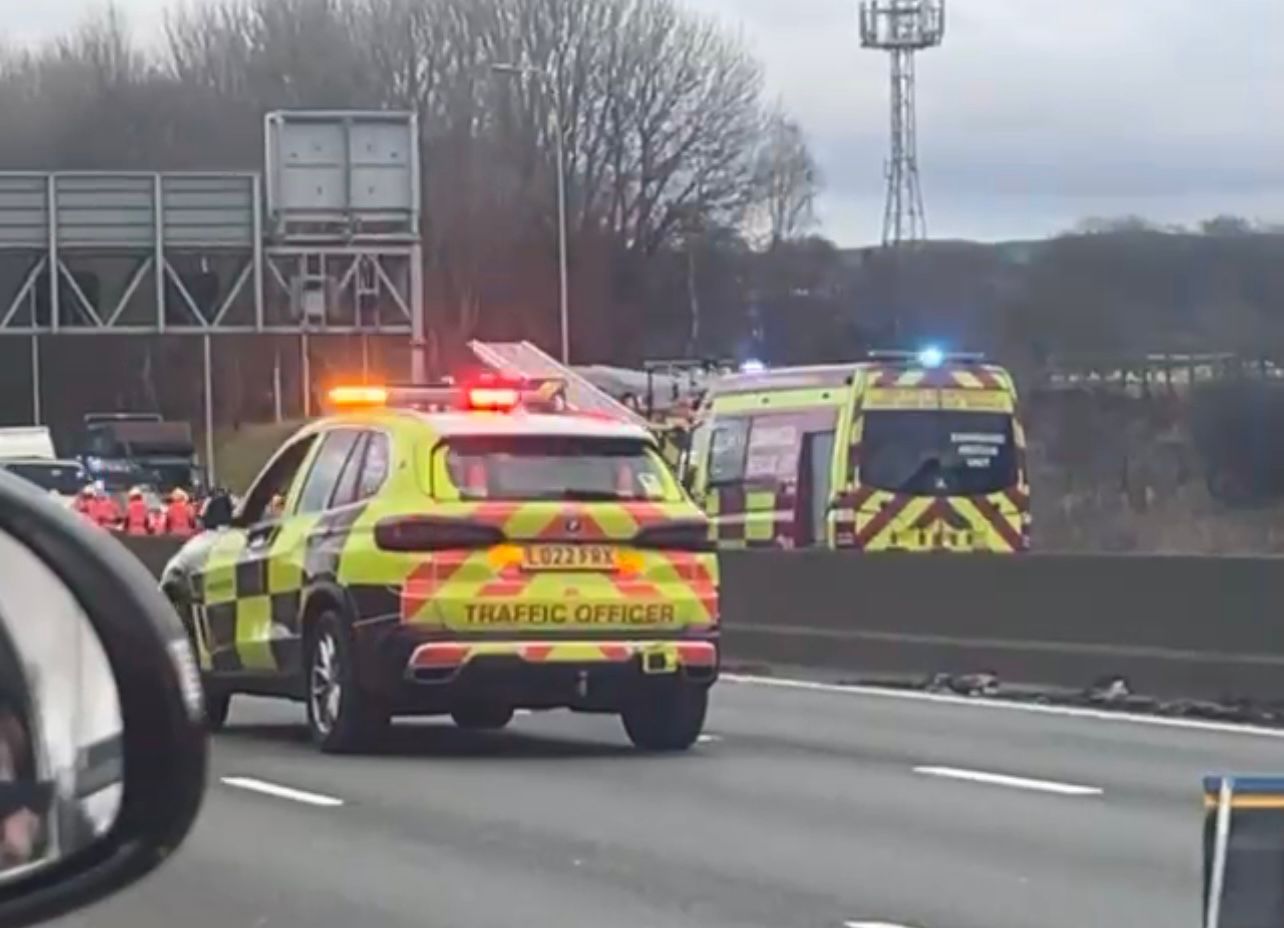
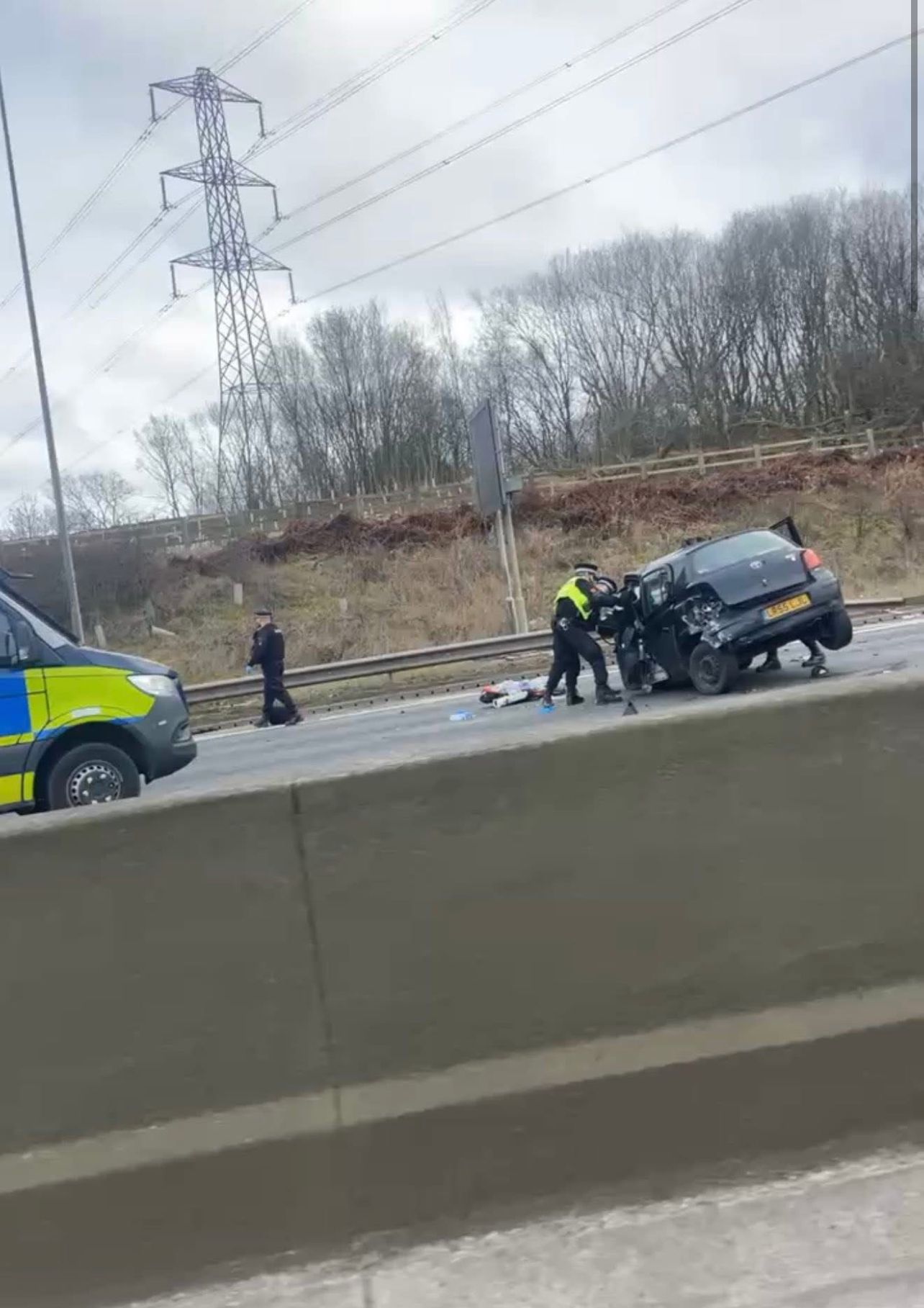
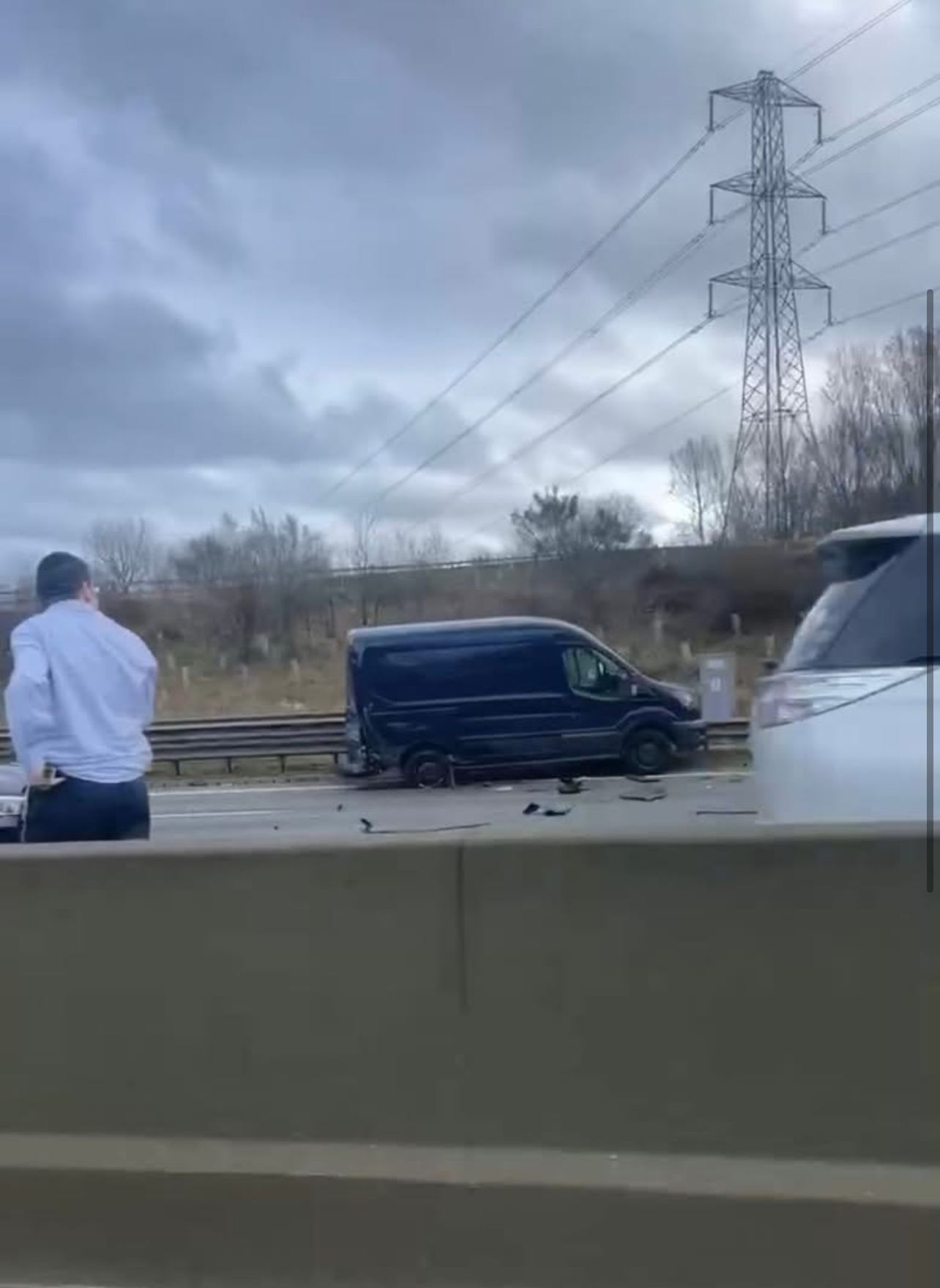
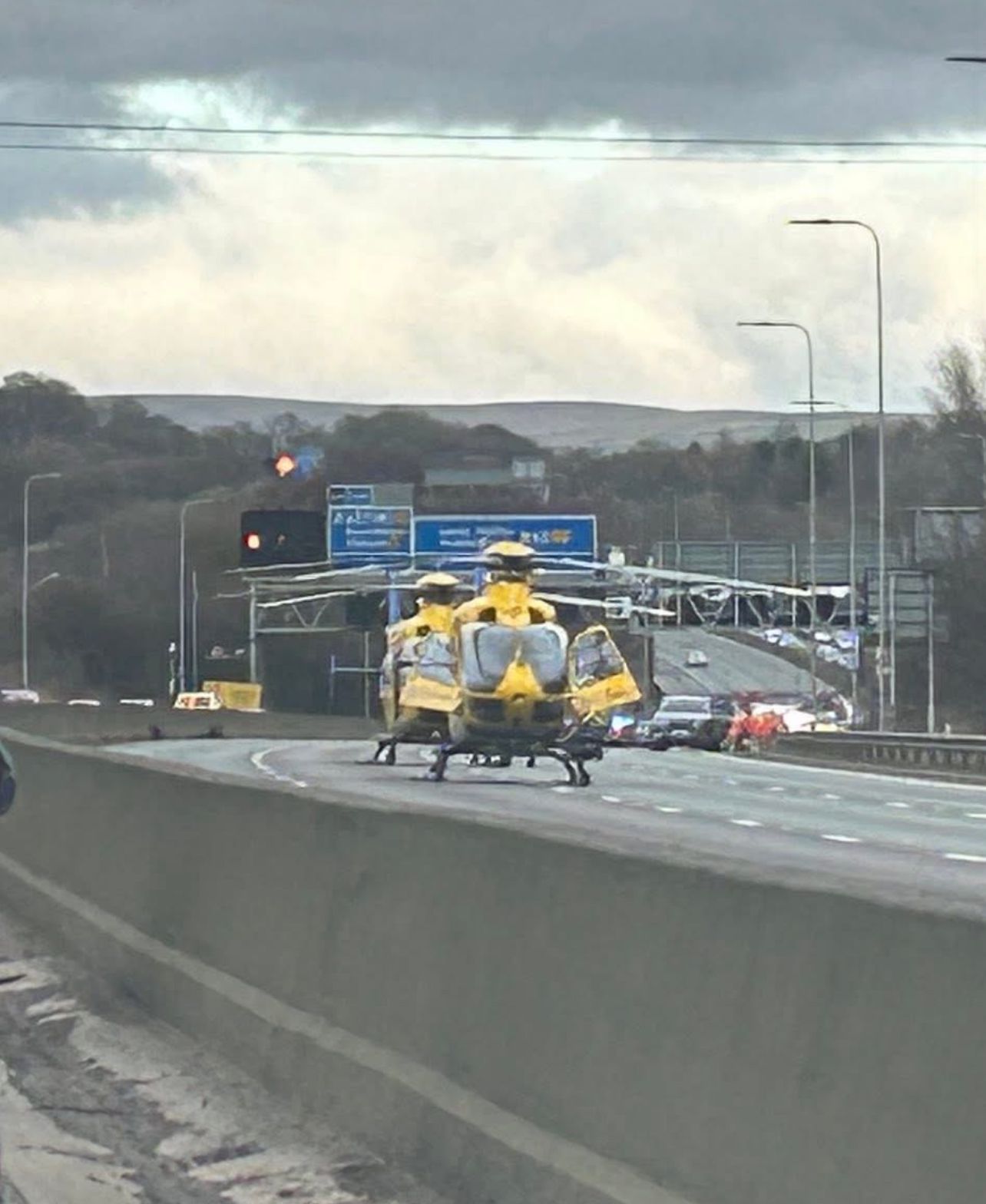
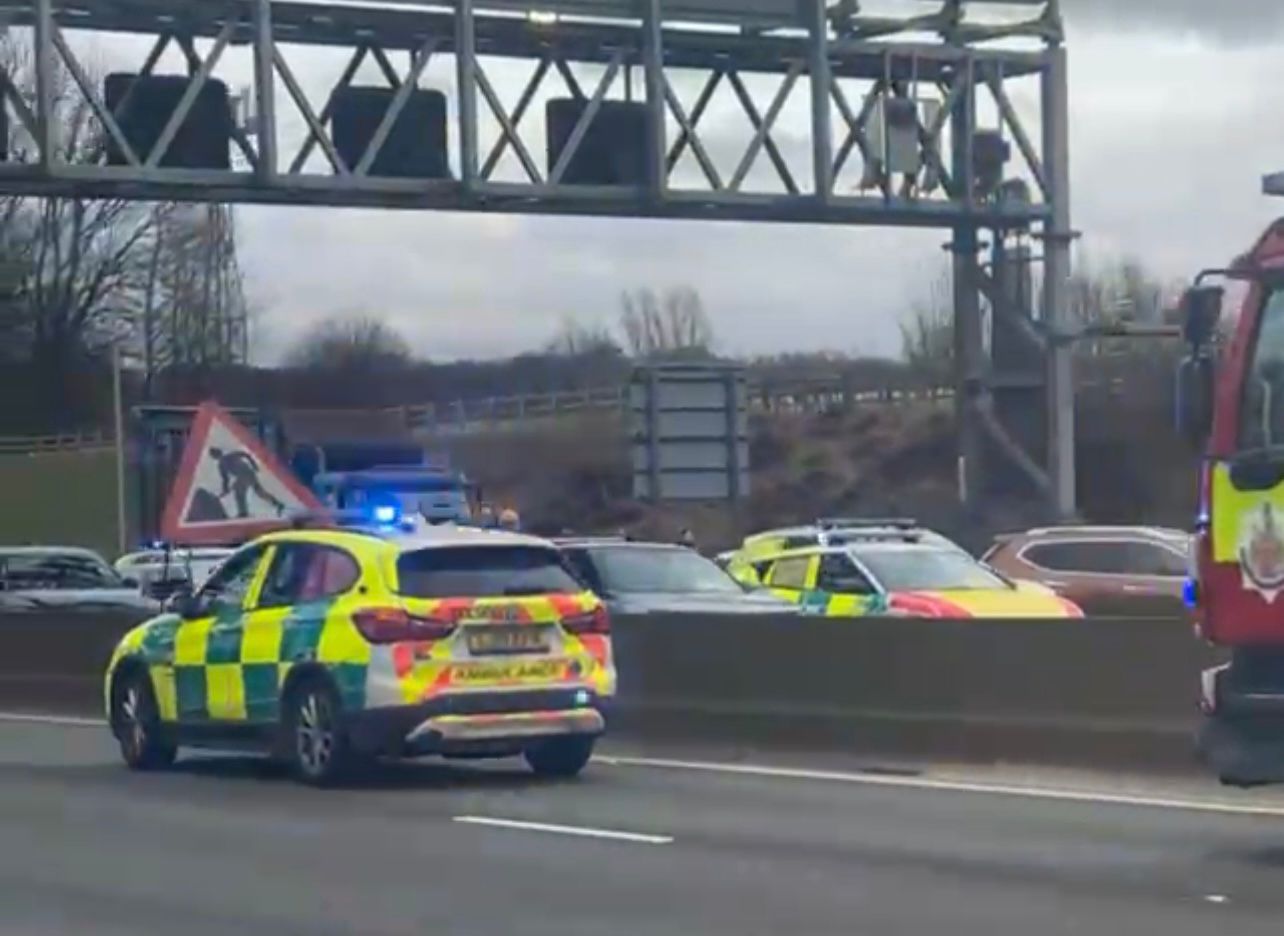
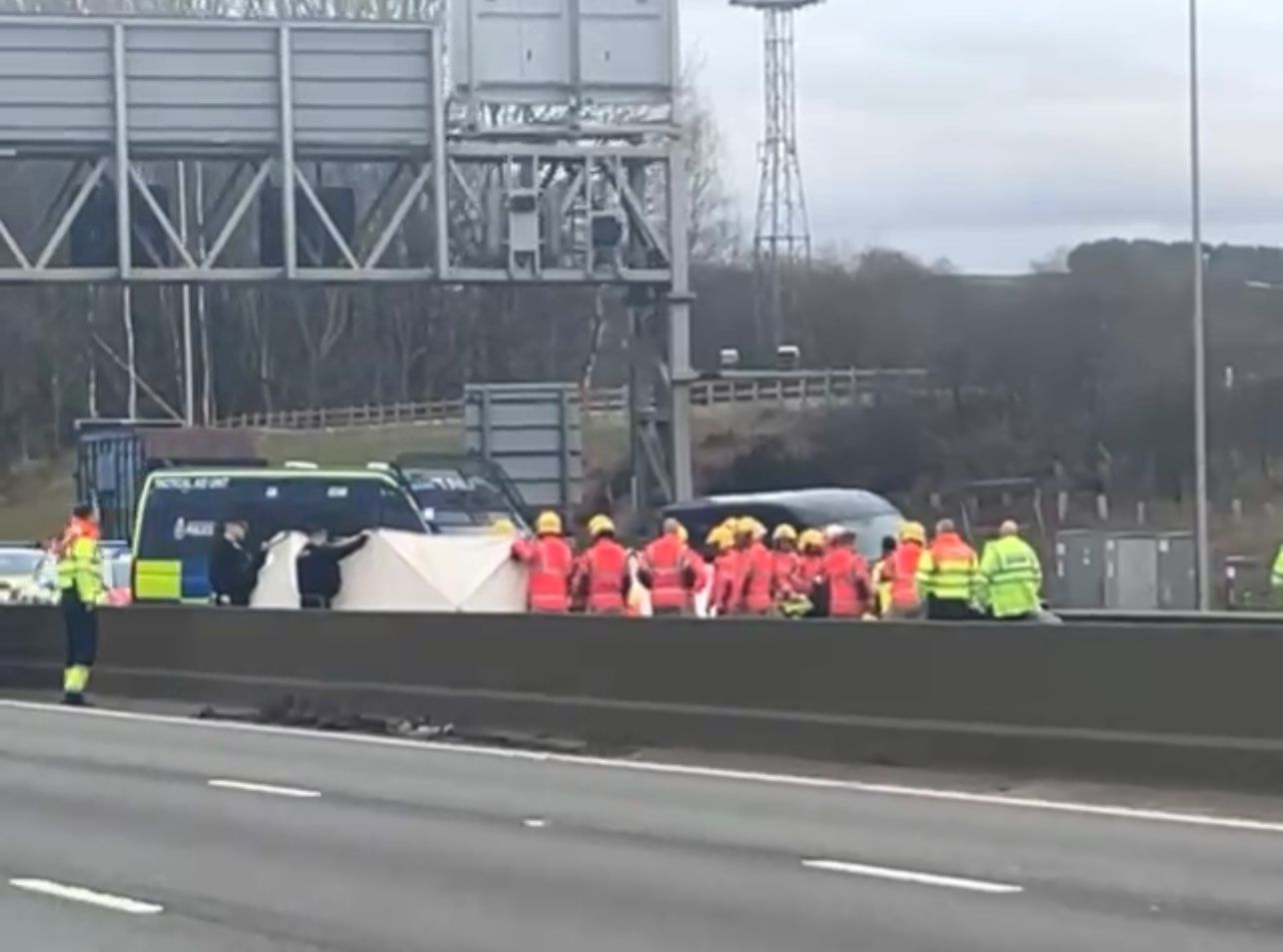
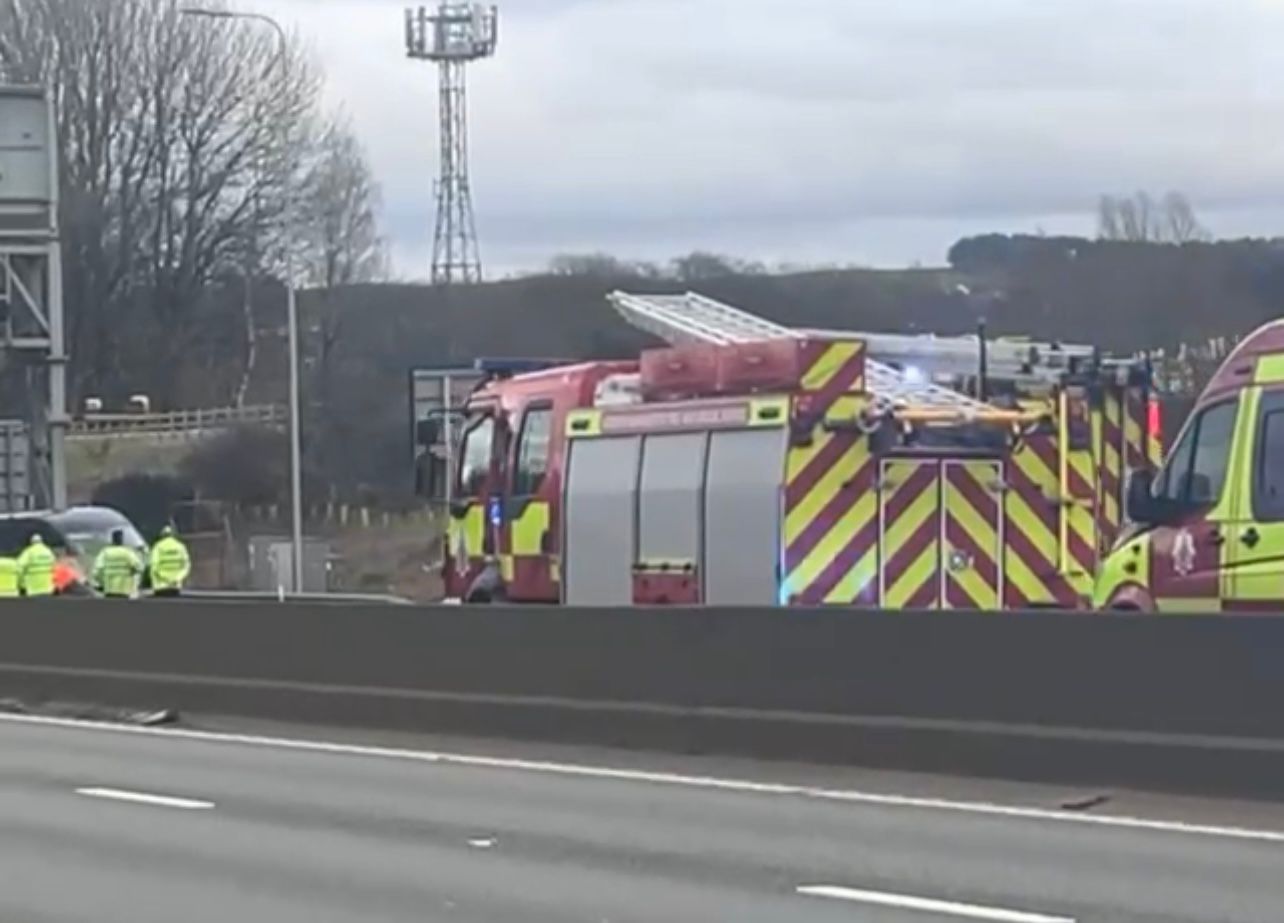
What to learn from these scenes
- Margin collapses fast at speed: tiny delays become big distances.
- Chain-reaction risk: braking spreads backward through traffic like a wave.
- Secondary collisions: the risk continues after the first impact (rubbernecking, lane drift).
- Emotion and fatigue: stress reduces scanning; fatigue delays decisions and braking.
Immediate behaviours near incidents
- No filming. No phone use. A “quick look” equals long blind travel at motorway speeds.
- Hold lane discipline: smooth speed reduction, no sharp steering.
- Increase following distance: your buffer is your survival space.
- Obey officers/signage: they see the whole scene, you don’t.
📊 Statistics & evidence (what the data says)
1,633
UK road fatalities (GB, 2024 provisional)
29,537
Killed or seriously injured (GB, 2024 provisional)
1.19M
Global road deaths per year (WHO)
Why “speed + small errors” becomes severe outcomes
The faster you travel, the more distance you cover during perception and decision. That means: risk doesn’t rise in a straight line—it rises when your margin collapses.
- Perception delay: you must notice the hazard.
- Decision delay: you must choose what to do.
- Action delay: you must physically brake/steer.
- Grip/conditions: the road decides how effective your response will be.
Training goal: keep margin high so hazards remain manageable.
Fatigue: the invisible impairment
Fatigue is not just “feeling sleepy.” It reduces hazard detection, narrows attention, increases reaction time, and creates micro-sleeps. Research comparing extended wakefulness and alcohol shows performance deterioration increases significantly after long hours awake. (Evidence example: controlled research in sleep-deprivation + alcohol interaction.)
- Micro-sleeps can last seconds — enough for motorway-length blind travel.
- “Second wind” is a trap: alertness can briefly spike then crash.
- Fatigue stacks: poor sleep + long drive + warm car + monotonous road = rapid decline.
Use the tools below to set a fatigue boundary before you drive.
Distraction: why “2 seconds” is never 2 seconds
A glance at a phone, a map tap, or looking at passengers triggers “attention switching.” Your brain does not multitask well at speed. You can be physically steering while cognitively absent.
- Visual distraction: eyes off road.
- Cognitive distraction: mind off road (arguments, stress, complex calls).
- Manual distraction: hands off optimal control.
Safety rule: if it requires your eyes, mind, or hands — it’s not safe at speed.
🧠 Psychological driving model (how crashes form)
Driving safety isn’t only “skill” — it’s brain state + behaviour. Under speed, time pressure, and emotion, humans fall into predictable patterns. A world-leading safety approach trains you to recognise and interrupt those patterns.
The P-D-A Loop
Perceive → Decide → Act. Crashes happen when the loop gets interrupted or delayed.
- Perception failures: “I didn’t see it.” (scan gaps, night glare, tunnel vision)
- Decision failures: “I hesitated.” (uncertainty, overload, stress)
- Action failures: “I overcorrected.” (panic braking, harsh steering, poor grip)
Aware360 S.A.F.E. model
A simple, repeatable mindset to protect margin.
- Scan: eyes moving, look far ahead, mirror rhythm.
- Assess: what’s changing? speed? spacing? behaviour?
- Forecast: “If that car brakes, what’s my plan?”
- Execute: smooth inputs, preserve space, exit risk early.
Stress response: why anger, pressure and “rushing” are risk multipliers
Under stress, humans often experience cognitive tunnelling (narrowed attention), riskier gap acceptance (forcing merges), and shorter following distances. This is why “I’m late” is not a neutral state — it’s a hazard.
- Emotion reduces scan rate: you stop updating the scene often enough.
- Pressure increases aggression: tailgating, sharp lane changes, “punishment” driving.
- Stress degrades judgement: you feel in control while behaviour is less controlled.
Intervention: slow your breathing, widen your scan, increase space, and commit to “arrive safe not fast.”
Risk stacking: the Swiss-cheese effect on roads
Serious incidents typically require multiple “holes” to line up: fatigue + speed + close following + distraction + wet road + sudden braking. Remove one layer and you often prevent the crash.
- Increase following distance (space layer).
- Reduce speed early in uncertainty (time layer).
- Stop for fatigue before it becomes obvious (attention layer).
- Pre-check vehicle and route (preparedness layer).
⚖️ Legal duty-of-care (professional + personal)
Individual responsibility (every driver)
- Road legal + roadworthy vehicle: the Highway Code emphasises responsibility for road legality/roadworthiness and passenger/cargo safety.
- “MUST/MUST NOT” rules indicate legal requirements (not optional guidance).
- Fitness to drive: fatigue, impairment, medication, and distraction are foreseeable risks.
Practical duty-of-care means: if a risk is foreseeable, you must actively manage it.
Driving for work (employer duty)
In the UK, health & safety law applies to work activities on the road. Employers must manage occupational road risk in the same way they manage risks on a fixed site.
- HSWA 1974 (general duty): protect employee health and safety “so far as reasonably practicable”.
- MHSWR 1999 (risk assessment): a “suitable and sufficient” assessment of risks to workers and others.
- HSE guidance: employers must manage risks for workers who drive/ride as part of work.
What “duty of care” looks like in practice (workplace)
“Duty of care” becomes real through systems, not slogans. A robust driving-at-work system typically includes:
- Journey planning: time allowances, route risk, weather contingencies.
- Fatigue controls: driving-hour limits, rest policy, overnight rules.
- Vehicle standards: maintenance intervals, tyre policy, defect reporting.
- Driver competence: training, refreshers, incident reviews.
- Culture controls: no “rush pressure”, no penalty for stopping when fatigued.
- Incident procedures: what to do after near misses or collisions, including reporting and support.
Corporate accountability (serious management failure)
The Corporate Manslaughter and Corporate Homicide Act 2007 clarifies organisational criminal liability where serious management failures lead to a death through a gross breach of duty of care. The key learning for workplace driving: treat occupational road risk as a core health & safety issue.
Best practice: prove you planned, trained, maintained, monitored, and acted on warning signs.
🔧 Vehicle & on-road checks (build your safety routine)
A professional driver mindset treats every drive like a risk-managed activity. Use the checklist below to reduce failures that cause loss of control, reduced stopping ability, or delayed decisions.
Pre-drive essentials (2–4 minutes)
On-the-road checks (continuous)
What to do if the vehicle feels “off” while driving
- New vibration: reduce speed smoothly; don’t brake harshly; move to a safe stop location.
- Pulling left/right: suspect tyre pressure or braking imbalance; stop safely and check.
- Warning lights: treat as a “stop-and-verify” prompt, not a “hope it’s fine” signal.
- Smoke/burning smell: stop and turn off engine in a safe area; call for assistance.
Breakdown safety (roadside vulnerability)
Breakdowns create a vulnerability window: reduced control, reduced options, increased exposure. Plan ahead so you don’t make decisions under pressure.
- Hazards on, move to a safer location where possible.
- Stay aware of moving traffic; avoid standing between vehicles.
- If on motorway: follow official guidance, prioritise personal safety over the vehicle.
- Be cautious with unsolicited help; use recognised services when possible.
🧰 Interactive tools (make risk visible)
Slide factors to see how “small” issues combine into high risk. This models real collisions like the A64/M62 scenes.
This is an educational estimator to show how distance builds up before braking even starts. It is not a substitute for official tables and conditions can change results.
This tool helps set a boundary before you’re impaired. Don’t wait for strong tiredness — that’s late-stage fatigue.
📝 Quick assessment (scenario thinking)
1) You’re on the motorway, traffic ahead suddenly compresses. What’s the best first action?
2) A driver tailgates you aggressively. The safest response is:
3) You’re yawning repeatedly and miss two road signs. What should you do?
4) You approach an incident scene with emergency responders. What is correct?